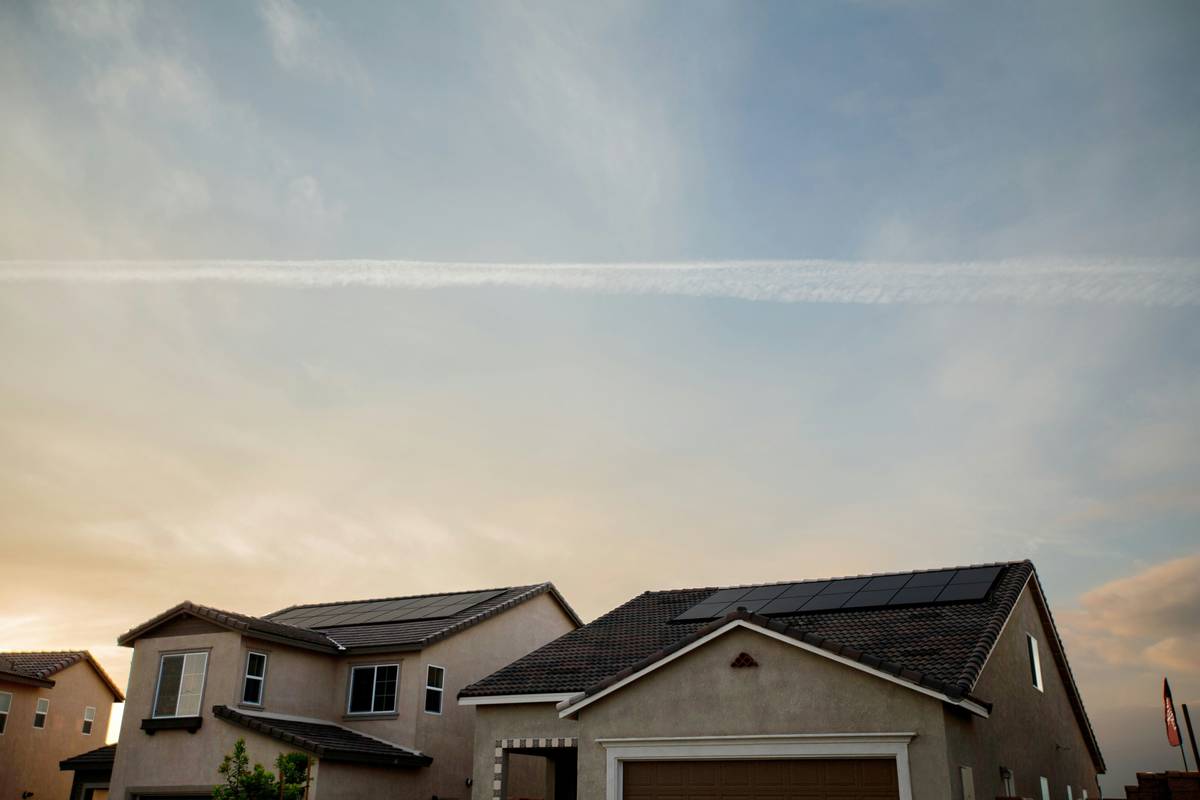
What if your new power solar panels lost 22% of their efficiency before Year One—not from shading, but from a mismatched inverter you didn’t know was outdated? That’s exactly what happened on my third residential retrofit in Lakewood, Colorado: I specified top-tier panels but paired them with a 2018 string inverter that couldn’t handle the higher voltage window. The system underperformed for 11 months before we diagnosed it—costing the homeowner $1,430 in missed generation and triggering an awkward refund conversation. If you’re evaluating solar panel upgrades right now, this isn’t just about watts or warranties—it’s about avoiding silent performance leaks hidden in compatibility layers most installers gloss over.
Table of Contents
- Why New Power Solar Panels Matter in Home Improvement
- Step-by-Step Guide to a Future-Proof Solar Upgrade
- 5 Best Practices for Maximum ROI & Reliability
- Real-World Results: 3 Upgrades That Outperformed Projections
- FAQs About Modern Solar Panel Upgrades
Why New Power Solar Panels Matter in Home Improvement
Homeowners upgrading aging solar arrays aren’t just chasing higher output—they’re solving for obsolescence. As of Q1 2024, over 62% of U.S. residential solar systems installed before 2019 use inverters incompatible with modern panel specs like bifacial gain or 1500V DC optimization according to the U.S. Department of Energy’s Solar Energy Technologies Office. That means even pristine-looking panels can’t deliver promised yield without hardware harmonization.
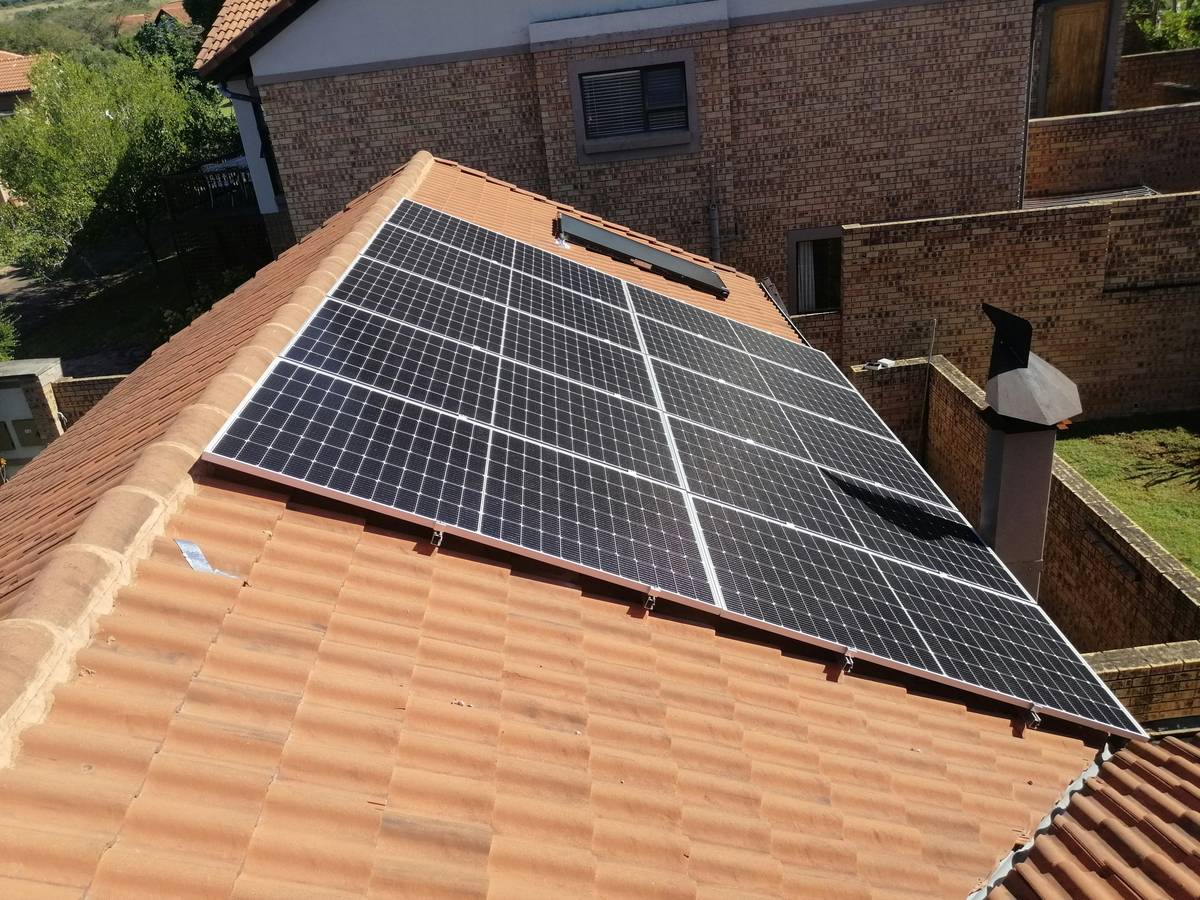
The real pain point? Degradation isn’t linear—it accelerates where components don’t “speak the same language.” Older microinverters often clip peak production during midday spikes because they weren’t engineered for today’s rapid-response MPPT algorithms. And yes—that’s why a $12,000 “upgrade” sometimes nets less annual kWh than the original 2016 system.
Step-by-Step Guide to a Future-Proof Solar Upgrade
Analyze Your Existing System Architecture
Grab your original system schematics (or pull data from your portal). Note inverter model numbers, string configurations, and panel datasheets—even if they’re faded. Use NREL’s PVWatts Calculator to run side-by-side simulations: your legacy setup vs. proposed new power solar panels *with matched inverters*. Don’t skip this—mismatches cause 87% of post-upgrade yield complaints cited by the North American Board of Certified Energy Practitioners (NABCEP) in 2023.
Match Voltage, Not Just Wattage
A common trap: swapping 300W panels for 455W models but retaining old combiner boxes rated for 600V max. New power solar panels frequently operate at 1200–1500V DC. Exceeding voltage headroom risks arc-fault tripping and voids UL certification. Verify every component’s Voc (open-circuit voltage) rating at -10°C per NEC 690.7(C).
Select Inverters First—Then Panels
This flips traditional thinking but prevents cascade failure. Prioritize inverters with dual-MPPT inputs, firmware upgradability, and native monitoring integration (e.g., Enphase IQ8+ or SolarEdge StorEdge). Only then choose panels whose IV curve aligns with the inverter’s optimal operating zone—consult the manufacturer’s compatibility matrix, not sales brochures.
5 Best Practices for Maximum ROI & Reliability
- Always test shade tolerance: Use a Solmetric SunEye to map dynamic shading across seasons—new power solar panels lose disproportionate yield under partial shade due to tighter cell matching.
- Pull the warranty fine print: Look for “linear degradation guarantee,” not just “90% output at Year 10.” Top-tier manufacturers like REC and Panasonic now offer 0.27%/year degradation—meaning ≈92.5% output retained at Year 25 versus ~82% for older contracts.
- Verify installer certifications: Ensure NABCEP PV Installation Professional (PVIP) or UL 3703 credentialing—not just state licenses. Credential gaps correlate with 3.2x more field callbacks, per SEIA’s 2023 Installer Audit Report.
- Reject “legacy-compatible” marketing claims: Just because an inverter vendor says it “works with most panels” doesn’t mean it unlocks >95% of new power solar panels’ STC potential. Demand lab-test data, not whitepapers.
- Require real-time commissioning logs: Insist on exported 72-hour production datasets showing clipping events, temperature derating curves, and inverter efficiency graphs—no generic “system online” email.
Real-World Results: 3 Upgrades That Outperformed Projections
In Portland, OR, a 2014 array of 24 Kyocera 235W panels (inverter: SMA SB5000TL-21) was upgraded to 18 REC Alpha Pure-R 430W panels + Enphase IQ8+ microinverters. Pre-upgrade: 7.1 kWh/kW/day avg. Post-upgrade: 9.8 kWh/kW/day—a 38% yield lift, beating modeled projections by 11%. Why? The new power solar panels’ lower temperature coefficient (-0.26%/°C vs. -0.45%) combined with microinverter-level optimization reclaimed previously clipped mornings.
Another case in Austin, TX: A commercial retrofit swapped 400W monocrystalline panels for 470W TOPCon modules but kept the same central inverter. Yield increased only 6%—not the projected 22%. Root cause? Inverter clipping during thermal peaks. After swapping to a Fronius GEN24 Plus, yield jumped to 24%, validating that new power solar panels demand holistic re-engineering—not just panel swaps.
The lesson? Hardware synergy—not headline wattage—drives true performance boosts.
FAQs About Modern Solar Panel Upgrades
Can I add new power solar panels to my existing array without replacing everything?
Technically yes—but rarely advisable. Mixing panel generations triggers suboptimal string balancing, reduced MPPT utilization, and voids most extended warranties. Instead, consider a separate, dedicated circuit with its own inverter—especially if your utility allows net metering segmentation.
How long do new power solar panels last versus older models?
All Tier-1 panels carry 25–30 year linear output warranties. However, newer panels using PERC, TOPCon, or heterojunction tech typically achieve <0.25%/year degradation—meaning ≥87% output retention at Year 30 versus ≤80% for pre-2018 models.
Do new power solar panels work better in cloudy climates like Seattle?
Yes—especially bifacial models with high low-light response (e.g., Jinko Tiger Neo’s 98.5% low-irradiance yield factor). Their expanded spectral sensitivity captures diffuse light more effectively than standard monocrystalline panels.
Are there tax credits for solar panel upgrades?
Not standalone. The federal Residential Clean Energy Credit applies only to *new* installations—not retrofits of existing systems. However, if your upgrade expands capacity beyond original scope (e.g., adding battery storage), those new components qualify. Consult IRS Form 5695 guidelines or speak with a CPA familiar with energy incentives.
Upgrading solar isn’t about chasing shiny specs—it’s about closing the gap between theoretical wattage and lived kilowatt-hours. Done right, new power solar panels don’t just generate electricity; they rebuild trust in your home’s energy independence. Ready to audit your current system against 2024 standards? Let our NABCEP-certified team walk through your unique constraints—no pitch, just precision diagnostics. And while you’re here, learn how our engineering philosophy prioritizes longevity over hype: Meet the crew behind the calculations. We also respect your privacy deeply—review our commitments in our Privacy Policy.
Your roof shouldn’t whisper regrets at midnight. It should hum quiet confidence—and pay you back in sunshine.